

- Details
- Category: English-EN
STATUS: Primary Weapon System "Graviton Sphere" active.
TARGET: Cylindrical Space Manufacturing Facility – Coordinates locked.
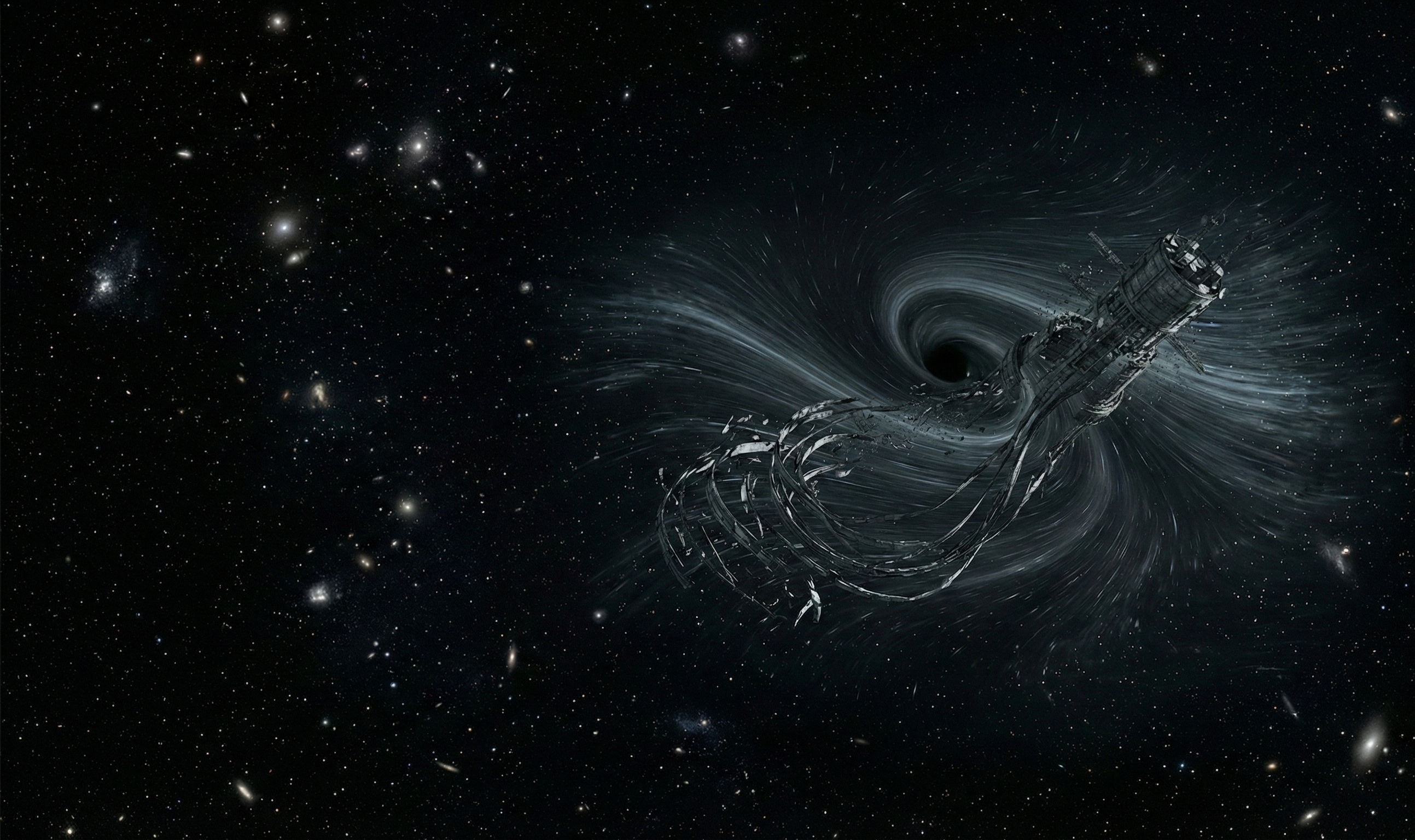
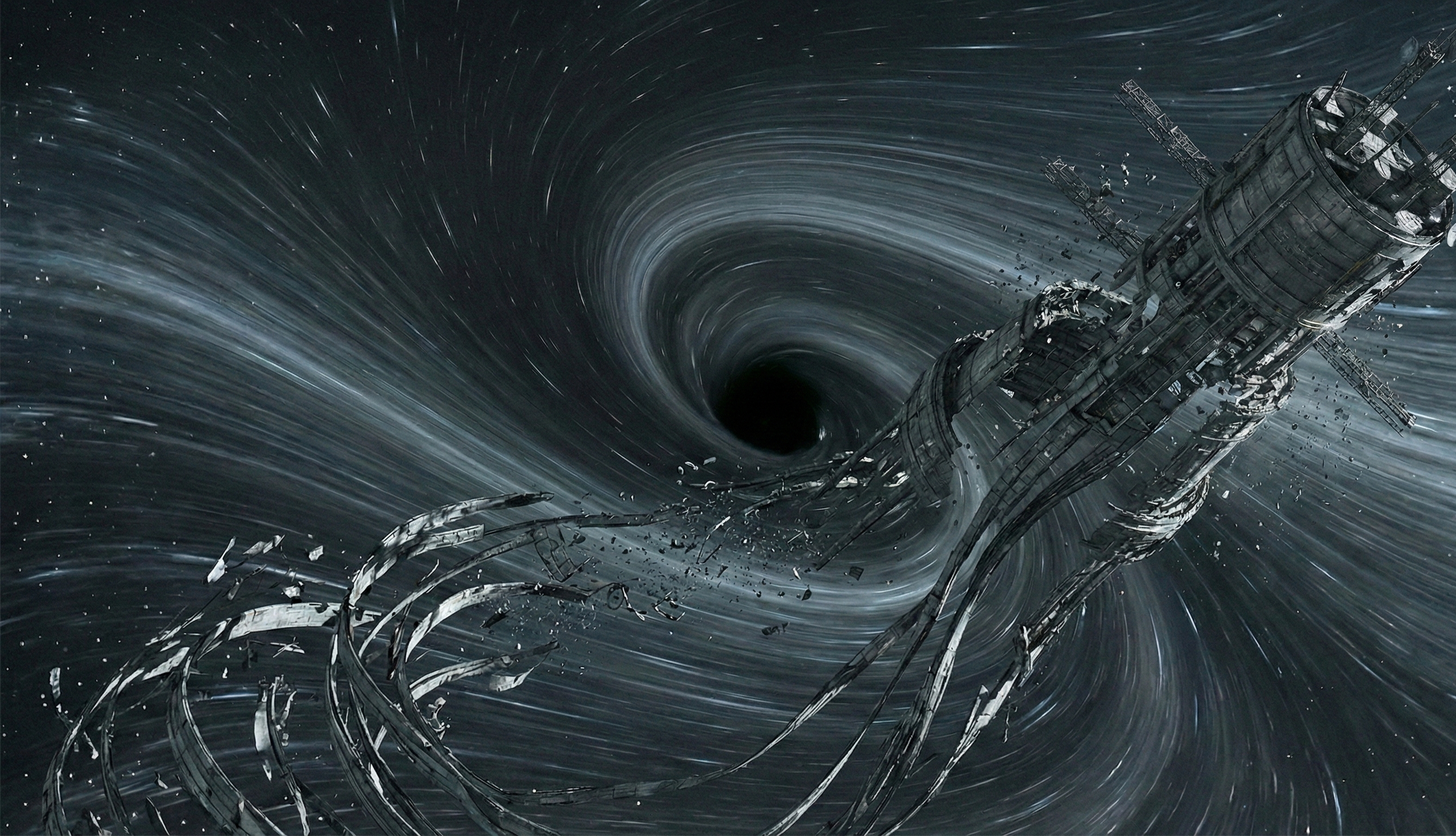
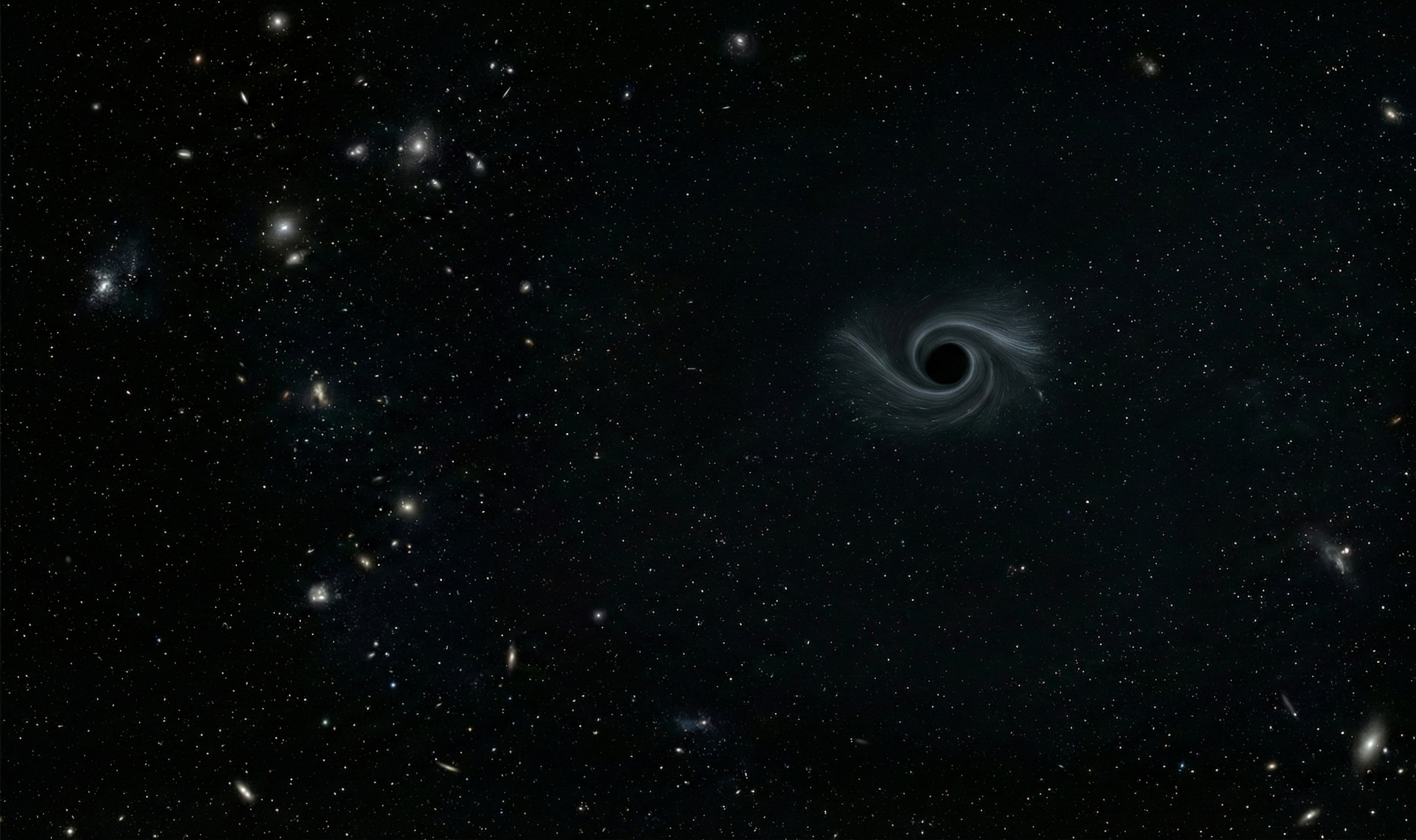
ANALYSIS: Target object neutralized. Only silence remains.
>> SYSTEM STATUS: RETURNING TO MONITORING MODE.
A war that no one sees coming.
Aeons ago, the galaxy was guarded by a people whose name now exists only in legends. As keepers of the order, they guided the destinies of the stars, carried by the unique gift of the Navigators—beings capable of understanding the currents of space beyond any human comprehension. Yet at the peak of their power, this civilization vanished without a trace, leaving behind a logical enigma that has endured for millennia.
All that remained is the USC Cassandra. A technological marvel whose systems are so unique and incomprehensible that they could permanently shift the geopolitical balance of power.
As the ship awakens from the Great Silence, its artificial intelligence identifies a new heir: Jeff. Shaped by the strategic maturity and melancholy of an aging special forces veteran, he is accepted by the Cassandra as its rightful captain and drawn into an asymmetric conflict that shakes the galaxy to its core. Yet the ship alone is powerless—it requires the key to unleash its true potential.
At the center of this storm stands Romi. Abandoned as a child under mysterious circumstances on the border world of Halo, she carries no memory of her origins. While she fights as a warrior for the resistance against the merciless Consortium, she is simultaneously on a desperate quest for her own identity and the echoes of a buried past.
Between Jeff and Romi, an unbreakable bond grows. It is a connection that goes far beyond mere loyalty between captain and warrior—a blind trust in a world full of betrayal. Together, they form a tactical unit in which Jeff's military mind and Romi's instinctive, navigational precision merge to fathom the secrets of "Sector Zero."
Plunge into a monumental, character-driven epic about a lost legacy, the search for one's own identity, and the relentless struggle against an invisible tyranny. A dark, cinematic masterpiece about honor, the heritage of the Navigators, and a warrior in whose hands the fate of the stars rests.
- Details
- Category: English-EN
Blades of Resistance
A call from the depths. A heritage of blood. A warrior of the word.
“The silence breaks. The circle closes. Search for the heir.” With this call, a journey begins for Jeff that will alter the fate of the entire fabric. As the rightful descendant, he guards within his blood the sole key to Sector Zero—the heart of the order. At his side operates Cassandra, the watchful consciousness of his ship, who stands by him in human form as a wise advisor and loyal companion.
In the midst of this upheaval, we follow the evolution of Romi. We follow her path from a child to a young woman, maturing into a legend across the worlds as the "Wise Angel of Death." Her actions stem from an unshakeable code of prudence: she always lets the word speak first. In an era where the Consortium destabilizes the provinces of Arkan and Olyra from the shadows, she remains true to her values, until circumstances demand the deployment of her katanas.
While Jeff assumes the role of mentor, a connection grows between him and Romi that runs deeper than any command. Together, they confront a power driving the worlds into the abyss. A struggle for honor, the awakening of a warrior, and the quest for a balance hidden at the center of the stars.
Behind the Scenes: R.B. Sterling
Behind the pseudonym R.B. Sterling stands an author who is redefining storytelling. The Romi Saga is not a conventional novel project—its DNA thrives on the rhythm of cinema. Originally conceived as a concept for a large-scale film series, the manuscript has evolved into a literary epic that transports the visual power of the silver screen directly into the minds of its readers.
Sterling follows a clear philosophy: Show, don’t tell. His worlds are gritty, raw, and honest; they completely dispense with self-explanatory technology or magical gimmicks. Instead, he focuses on atmospheric density, precisely drawn characters, and a plot that unfolds with the dynamic pacing of a modern screenplay.
The pseudonym allows Sterling to step back, letting the creator fade behind the creation. What truly matters is the journey of the Cassandra and the strength of the warrior Romi. With an expert eye for cinematic scene composition, R.B. Sterling crafts a universe where every word strikes like a katana blade—purposeful, powerful, and absolutely effective.
Background & Origins: From Screen to Page
Every great story has a beginning. The Romi Saga did not start with the first sentence of a novel, but with the vision of an epic film series. The objective was to build a visual universe that seamlessly blends the intensity of modern sci-fi productions with the timeless elegance of classic warrior epics.
The Evolution of an Idea
While working on the initial scripts, it quickly became apparent: this world is too massive to be confined solely to dialogue and stage directions. The medium of the novel granted R.B. Sterling the ultimate creative freedom to delve deeper into the psyche of his characters and to capture the atmospheric density of his worlds—from the scorching heat on Halo to the organic dominance of Kilyne—in a way that no production budget could ever restrict.
-
Cinematic Rhythm: Despite transitioning to a book format, the narrative pacing of a screenplay remains fully intact. Readers experience the story in "scenes" defined by high dynamics and sharp visual anchor points.
-
Focus on the Essential: Just as in a great film, there is no room for unnecessary filler. Every gesture made by Romi, every system check executed by Cassandra, and every heavy step taken by Jeff drives the narrative forward.
-
Grounded Sci-Fi: Dispensing with over-explained magic or cluttered technology was a deliberate decision carried over from the screenwriting phase, ensuring that the human (and artificial) core remains front and center.
The Manuscript as a Blueprint
The current manuscript of "Blades of Resistance" is therefore far more than just a book. It serves as the detailed blueprint of a universe waiting to be discovered. Its cinematic heritage is palpable in the precise choreography of the combat sequences and the almost tangible silence during the moments of decision.
“I don’t just write for the reader; I write for the spectator inside the reader’s mind.” – R.B. Sterling
NAVIGATION LOGBOOK: PLANETARY DATASETS
Status: Complete | Authorization: Level OMEGA
01. EARTH [Sector 3]
CLASS: REGRESSIVE | WORLD OF ORIGIN
Location of vessel reactivation. Primary biosphere: Dense mixed forests. Tectonic stability guaranteed within the target sector.
02. HALO [Sector Zero]
PRIMARY TARGET | POINT OF CONTACT
Extreme heat index. Arid landscapes of dust and rock with sparse flora. Autonomous political structures.
03. KILYNE [Jungle World]
CLASS: BIO-ACTIVE | SUPERCLUSTER
Unbroken jungle canopies. High concentration of organic spores. Sensory overload possible due to bio-active signature.
04. VERIDIA [Core Sector]
CLASS: CRYSTALLINE | IONIZED
Highly electromagnetic atmosphere. Distinct mineral deposits (green luminescence). Increased shield requirement.